What is Clinical Trial Supply?
Clinical Trial Supply is the operational backbone that ensures investigational medicinal products (IMPs) are available for patients — in the right quantity, at the right time, and in full compliance with regulatory requirements.
It connects manufacturing, packaging, labelling, distribution and quality oversight into one controlled supply chain. Quality and compliance are not add-ons to this process — they are cornerstones embedded across every step.

Why is it important?
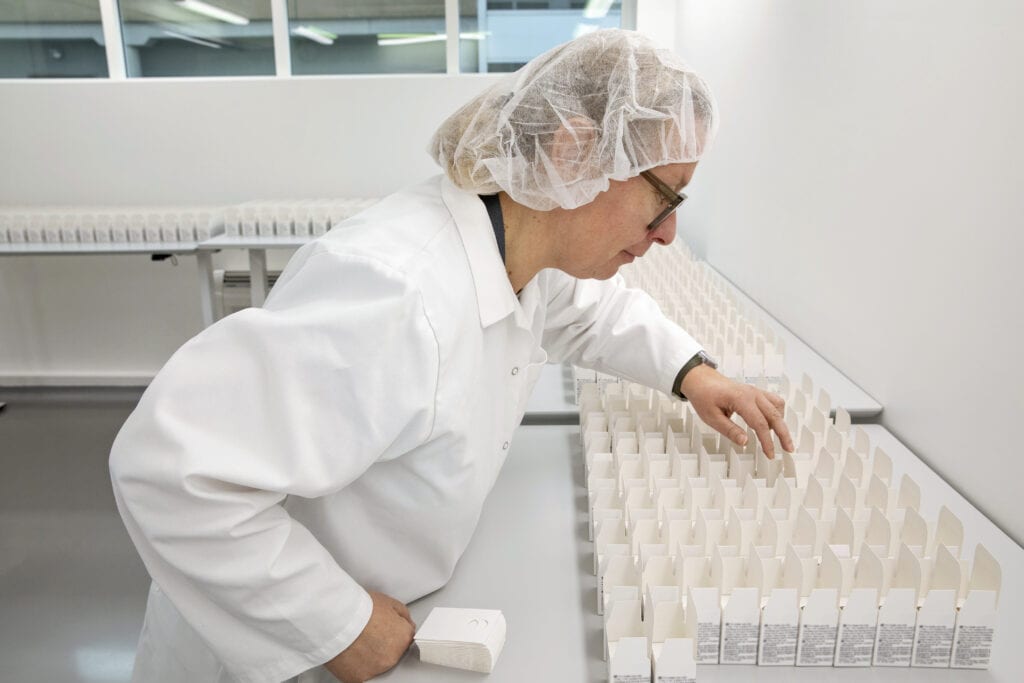
When clinical trial supply works well, it is invisible. When it fails, it can delay trials, create financial impact, and directly affect patient safety and data integrity.
Clinical trial supply matters because timelines, patient safety and regulatory compliance depend on it. If clinical trial supply is not executed correctly and in full compliance, new therapies will not reach patients. It is therefore a fundamental enabler of medical innovation and the development of treatments across a broad spectrum of chronic and complex diseases.

Where Complexity Typically Increases
Clinical trial supply becomes more demanding when:
- Additional countries are added mid-trial
- Protocol changes occur
- Shelf life is limited, and there is a risk this could be exceeded over the course of the trial
- Multiple IMP strengths and/or comparators are involved
- Comparator sourcing is constrained due to market shortages
Every added layer increases quality risk. More countries mean more regulatory nuances. More kit types increase the risk of allocation errors. Short shelf life puts pressure on timelines, increases the complexity of inventory management, and may create a need for expiry-updating of products both in depots and at clinical sites.
The real discipline lies in balancing flexibility, operational speed and strict compliance control.
“Changes can be implemented quickly mid-trial.”
Protocol amendments, label updates or dosage adjustments often require coordinated changes across packaging, documentation, regulatory filings and distribution networks. What appears minor can trigger significant operational impact.
“If the product is manufactured, the hard part is done.”
Manufacturing is only one milestone. Packaging and labelling, QP certification, import, documentation and site distribution often determine the true critical path.
“All countries operate under the same rules.”
Regulatory, labelling and import requirements vary significantly across markets. Assuming uniformity across countries often leads to delays, re-labelling activities or customs holds that could have been avoided with early planning. Even in regions with harmonized regulations, such as the EU, country-specific nuances still exist and need to be accounted for in clinical trial supply strategies.
What This Means in Reality
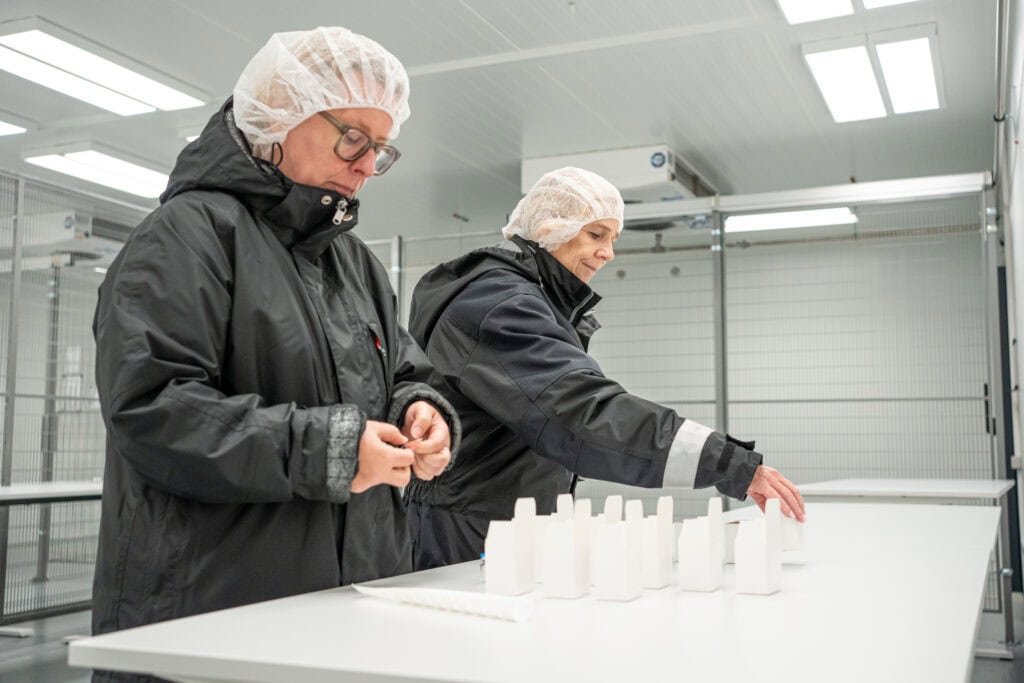
Clinical trial supply is not a background function. It is a strategic and quality-driven enabler of trial execution.
Well-designed and compliant supply models:
- Protect patient dosing continuity
- Safeguard product integrity
- Maintain inspection readiness
- Reduce waste and cost exposure
- Reduce operational firefighting
The earlier quality and supply strategy are integrated into trial planning, the fewer compliance risks and operational surprises will emerge downstream.

How KLIFO Supports Clinical Trial Supply
At KLIFO, quality and compliance are cornerstones across the entire supply chain.
We support sponsors across the full clinical trial supply spectrum — from early strategy design to operational execution — supported by integrated in-house infrastructure:
- GMP-compliant facility incorporating warehousing, packaging, labelling and distribution
- Controlled temperature packaging and labelling suites (15-25oC, 2-8oC, -20oC) and processes (-80oC packaging over dry ice), and warehousing (15-25oC, 2-8oC, -20oC, -80oC)
- Full global distribution setup, including a global network of approved in-country depots
- Highly experienced teams in Operations, Quality and Project Management
- Full suite of QA/QP consultancy services, including final batch certification/release

How KLIFO Supports Clinical Trial Supply
This structure ensures:
- Strong quality oversight
- Short decision paths
- Reduced vendor handovers
- Clear accountability
Our approach combines:
- Risk-based planning
- Operational execution
- Regulatory alignment
- Integrated QA governance
- Proactive scenario management
We are our customers’ Clinical Trial Supply experts — so they can focus on clinical and scientific objectives, confident that supply and compliance are fully aligned.